
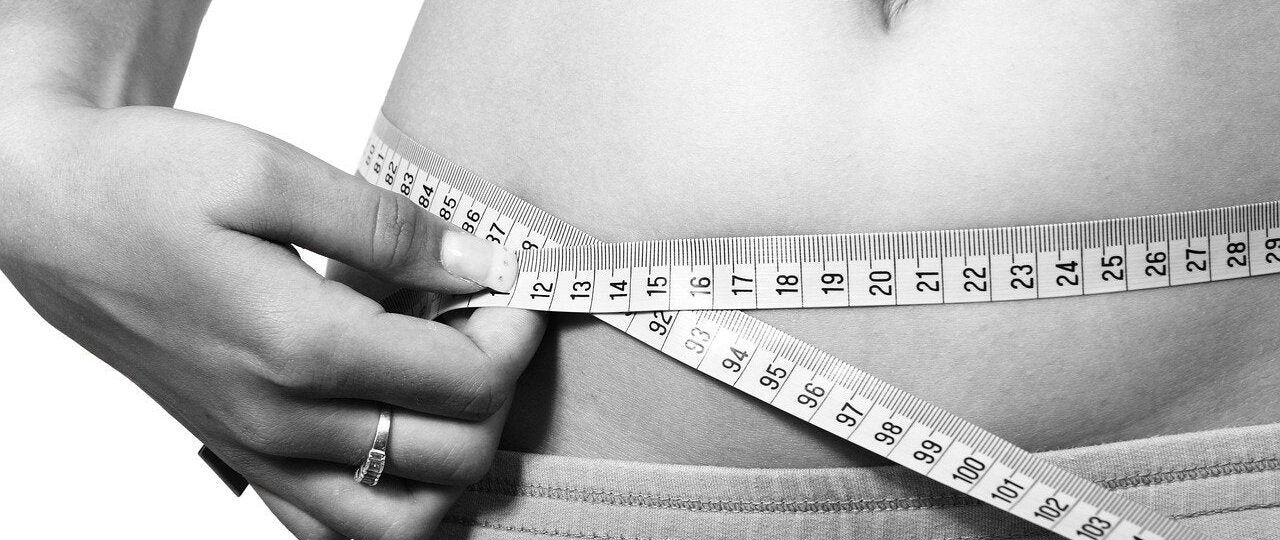
The Physique Mass Index (BMI) is a quantity you’ve got most likely heard of. Nowadays it’s utilized by docs, well being organizations, and insurance coverage corporations in every single place to categorise folks as underweight, regular weight, chubby, or overweight. Have you ever puzzled the place this BMI quantity got here from, and if it truly is one of the simplest ways to measure physique measurement for well being? Let’s dig into the historical past of BMI and different measurements just like the waist circumference.
The place Did BMI Come From?
BMI was created within the early 1800s by a Belgian mathematician named Adolphe Quetelet. He wasn’t a physician or a well being knowledgeable—he was a statistician. Quetelet developed the system (weight in kilograms divided by peak in meters squared) to review basic developments in human progress. He by no means meant for BMI for use to evaluate particular person well being. So, the index began out as a statistical device.
How Ancel Keys Popularized BMI
The Quetelet Index, because it was referred to as, wasn’t used a lot till folks started doing massive inhabitants research. Ancel Keys, in his work on the Seven International locations Examine within the Seventies, was analyzing populations in numerous international locations to see if he might decide the dietary causes of coronary heart illness. He needed a single index that could possibly be used to match physique sizes throughout completely different populations. And for learning developments in weight problems on the inhabitants stage, Keys discovered that the BMI labored effectively. It actually did give an measurement of weight problems on the inhabitants stage. However even Keys himself warned that BMI was not an ideal measure of particular person well being.
When BMI Turned the Customary for Weight problems
Regardless of its limitations as a device for measuring particular person weight problems, BMI gained recognition amongst researchers as a device for outlining chubby and weight problems of their inhabitants research. In 1995, the World Well being Group (WHO) outlined weight problems when it comes to BMI relatively than different measurements or instruments. Maybe peak and physique weight have been simpler to acquire than waist circumference? Possibly there was much less error within the BMI methodology? Possibly it seemed like a greater, extra full measurement than waist circumference as a result of it accounts on your physique weight at any peak. In case you are too heavy on your peak, effectively, you’re most likely chubby or overweight. So, the WHO mentioned in case your BMI is larger than 25 you’re chubby and in case your BMI is over 30 you’re overweight. And there are additional classes of weight problems as effectively. It was clear from the analysis as much as that time that weight problems at a inhabitants stage was correlated with detrimental well being outcomes. Clearly we’re within the midst of an weight problems epidemic, so this is not an argument to simply settle for that some persons are simply massive. That concept is fake and harmful
Whereas the BMI was a easy means of monitoring weight problems on the inhabitants stage throughout the globe, on the particular person stage it would not bear in mind muscle mass, bone density or fats distribution. So, there are some folks categorised as chubby by the BMI who really are fairly wholesome.
How BMI Turned a Private Well being Metric
Over time, because the BMI was extra broadly used and supported by medical analysis and well being final result information, the BMI shifted from not solely being inhabitants examine device to getting used for particular person well being assessments. Medical doctors began utilizing it to counsel sufferers about weight, and insurance coverage corporations used it to set premiums. This shift was problematic as a result of BMI doesn’t differentiate between fats and muscle, nor does it think about the place fats is saved. A match athlete with a muscular construct might have a BMI over 25 and be categorised as chubby, even when they’d little or no physique fats.
Extra importantly, BMI doesn’t inform us something about the place fats is saved. And that’s crucial as a result of stomach fats (visceral fats) is much extra harmful than fats saved within the thighs or hips.
The CDC recommends that people use BMI as a fast screening device, however to additionally embody medical historical past, lab outcomes, bodily examination, and well being behaviors to evaluate one’s well being as a person.
Is Waist Circumference A Higher Various?
As a substitute of relying solely on BMI, a less complicated measure of well being and weight problems is waist circumference. The weight problems analysis additionally reveals that extra stomach fats is strongly linked to coronary heart illness, diabetes, and different metabolic points.
Within the Nurses’ Well being Examine ladies who had a “regular” BMI (between 18.5 and 25.0 kg/m2) who had a waist circumference better than 88 cm have been 3 instances extra doubtless to have a deadly stroke or coronary heart assault in comparison with ladies with regular BMI and smaller waists. So, fats across the center is extra harmful on your well being, and BMI would not account for the place your fats is situated.
Listed below are the waist circumference cutoffs for wholesome weight:
- Males: Lower than 37 inches (94 cm)
- Ladies: Lower than 31.5 inches (80 cm)
Some organizations have extra lenient pointers, like 40 inches (102 cm) for males and 35 inches (89 cm) for ladies. These numbers are too excessive for the chance of diabetes in keeping with information from the Well being Skilled Observe-Up Examine. So, 37 inches for males (35 inches if you’re of South Asian ethnicity) and 31.5 inches for ladies is the wholesome class. In case your waist measurement is larger than these cutoffs the proof suggests you’ve got a better threat of well being issues, no matter BMI.
One other means to make use of your waist circumference is to match it to your peak, within the Waist to Peak Ratio. A wholesome waist to peak ratio is lower than 0.5. So, in case your waist is greater than half of your peak, you’re too thick across the center.
Tips on how to Measure Your Waist Appropriately
- Find the Measurement Level: Discover the midpoint between the underside of your final rib and the highest of your hipbone.
- Place the Tape Measure: Wrap a tape measure round this midpoint, guaranteeing it is parallel to the ground.
- Guarantee Correct Match: The tape ought to be cosy however not compressing the pores and skin.
- Measure After Exhaling: Take the measurement after respiratory out usually.
The Takeaway
BMI was by no means meant for use for private well being assessments. It is extremely helpful as a device for learning populations however making use of statistical instruments to people solely works for many who are very typical and labels some people the incorrect means. The actual problem isn’t weight alone—it’s fats distribution, particularly stomach fats.
If you wish to know if you’re chubby you may skip the BMI chart. As a substitute, seize a tape measure and verify your waist measurement. It’s a much better indicator of your threat for power ailments and a extra useful gizmo for private well being administration.